Which Roofs Qualify
Five situations where coating over shingles is clearly the right call — and one where it clearly is not.
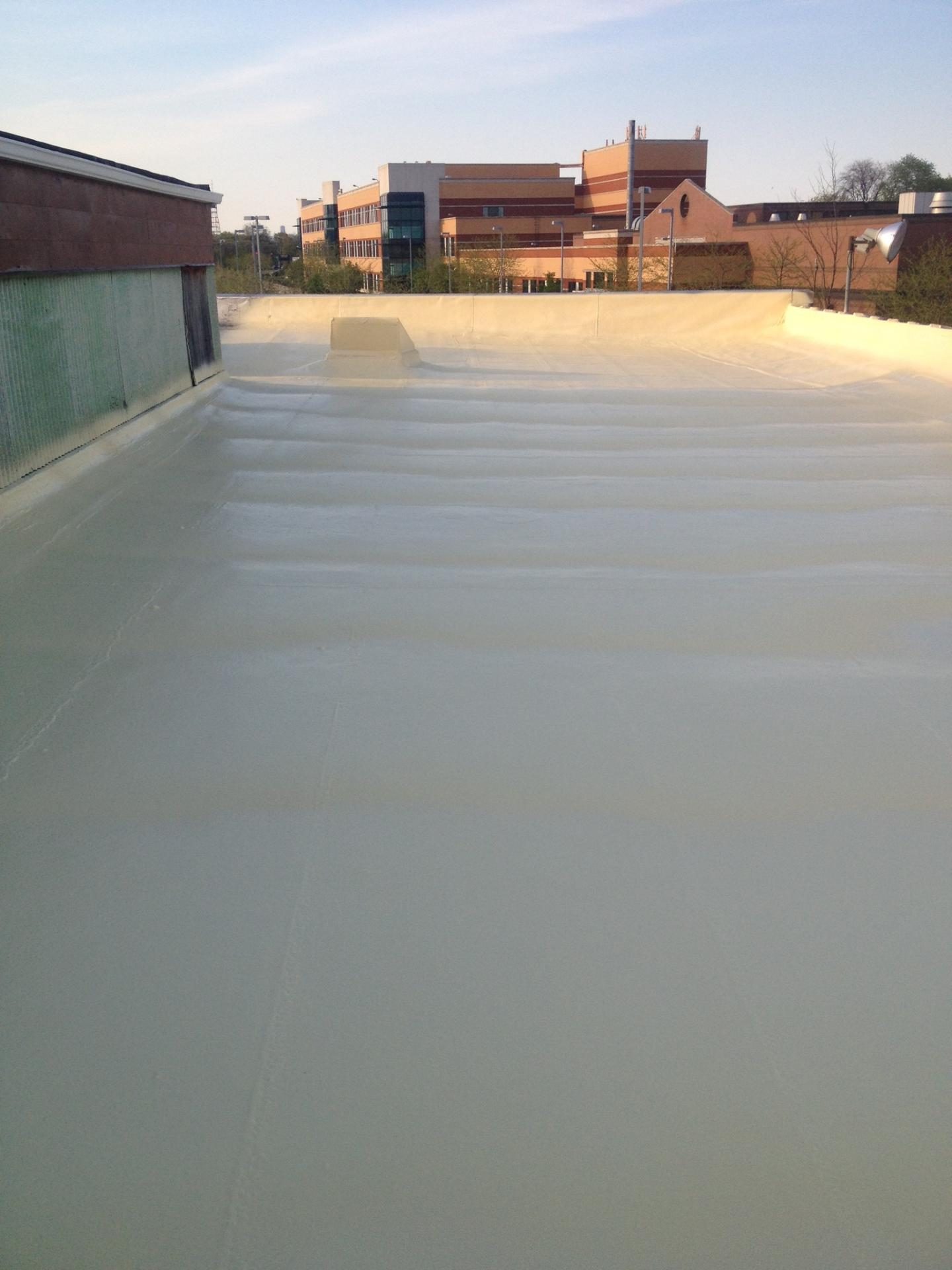
Low-Slope Shingle Sections
Asphalt shingles are a water-shedding system, not a waterproofing one. Below roughly 4:12 they are working outside their comfort zone, and below 2:12 most manufacturers do not want them there at all. Yet low-slope sections get shingled constantly — over porches, additions, dormers, and bump-outs — because it was easier than transitioning materials.
These are the sections that leak, ice-dam, and hold debris, and they are usually a small percentage of the total roof area causing all of the trouble. Coating just that section is often the entire solution.
Spec: Wash, dry, 7001 Primer, OR7K at 60–80 mil on the transition into the main slope, OR-80SLM at 60 mil across the low-slope field.
Rental & Investment Property
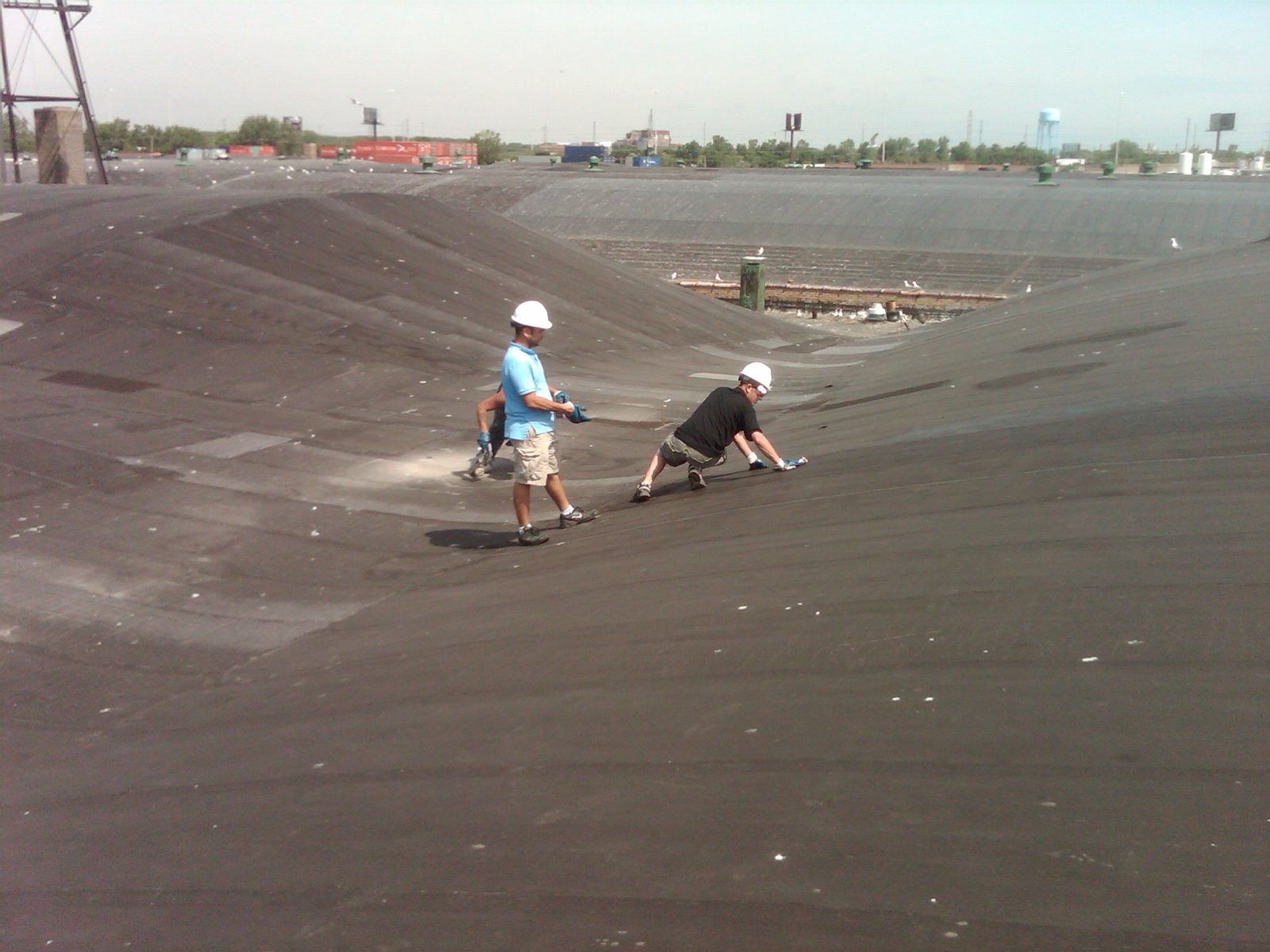
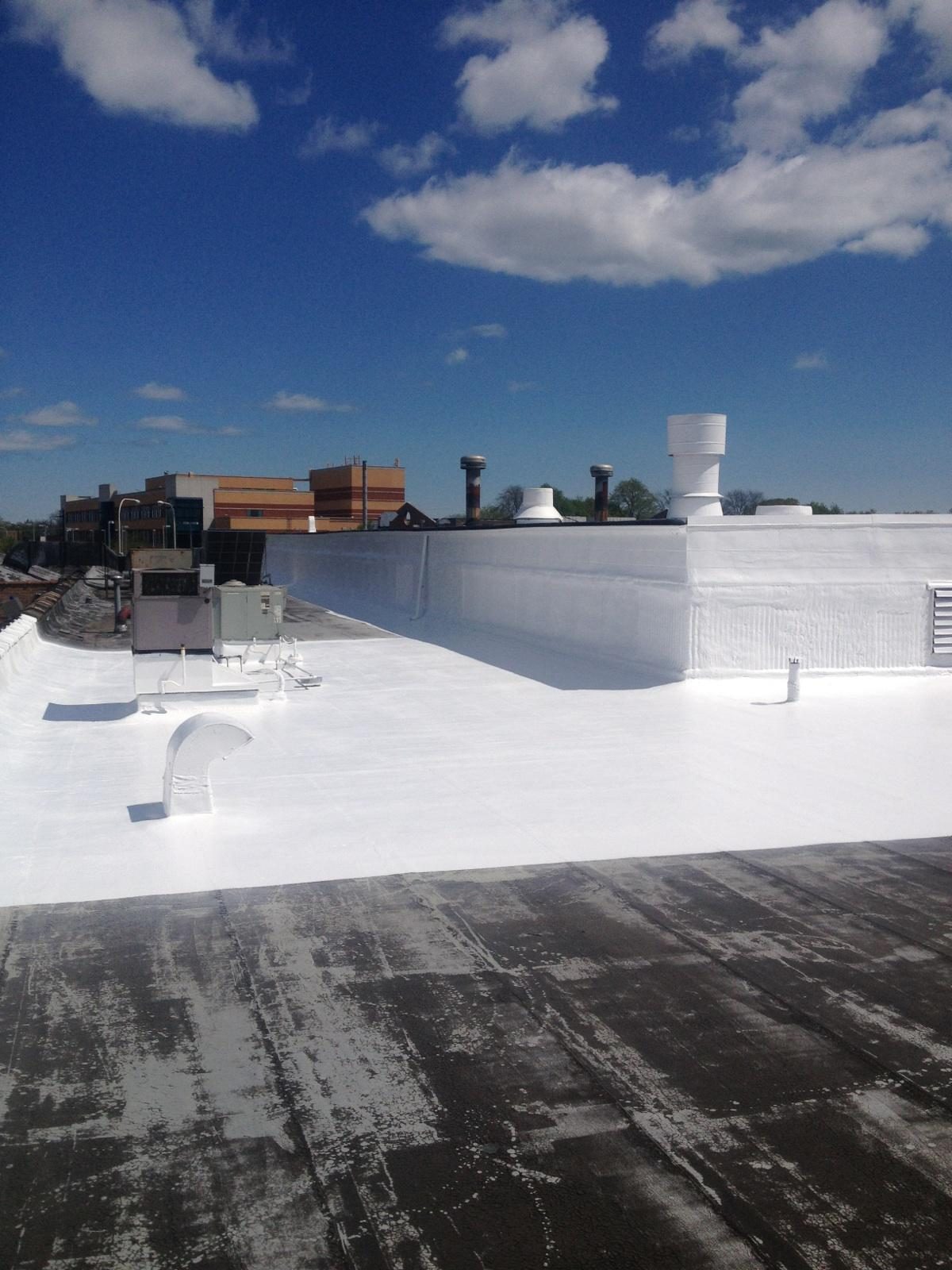
For an owner running numbers on a property, the question is not just what a roof costs — it is what the disruption costs and how the expense is treated. Tear-off means noise, a dumpster, tenant complaints, and a capital line item. Restoration coating is quieter, faster, generates no debris, and is typically maintenance.
It also means the roof does not get opened. On an occupied multi-unit building, "the roof was never open to weather" is a meaningful risk reduction, not a marketing line.
Spec: Full inspection and repair pass first, 7001 Primer, OR-80SLM at 50–60 mil, OR7K at all penetrations and wall transitions.
Roofs That Only Leak at the Details
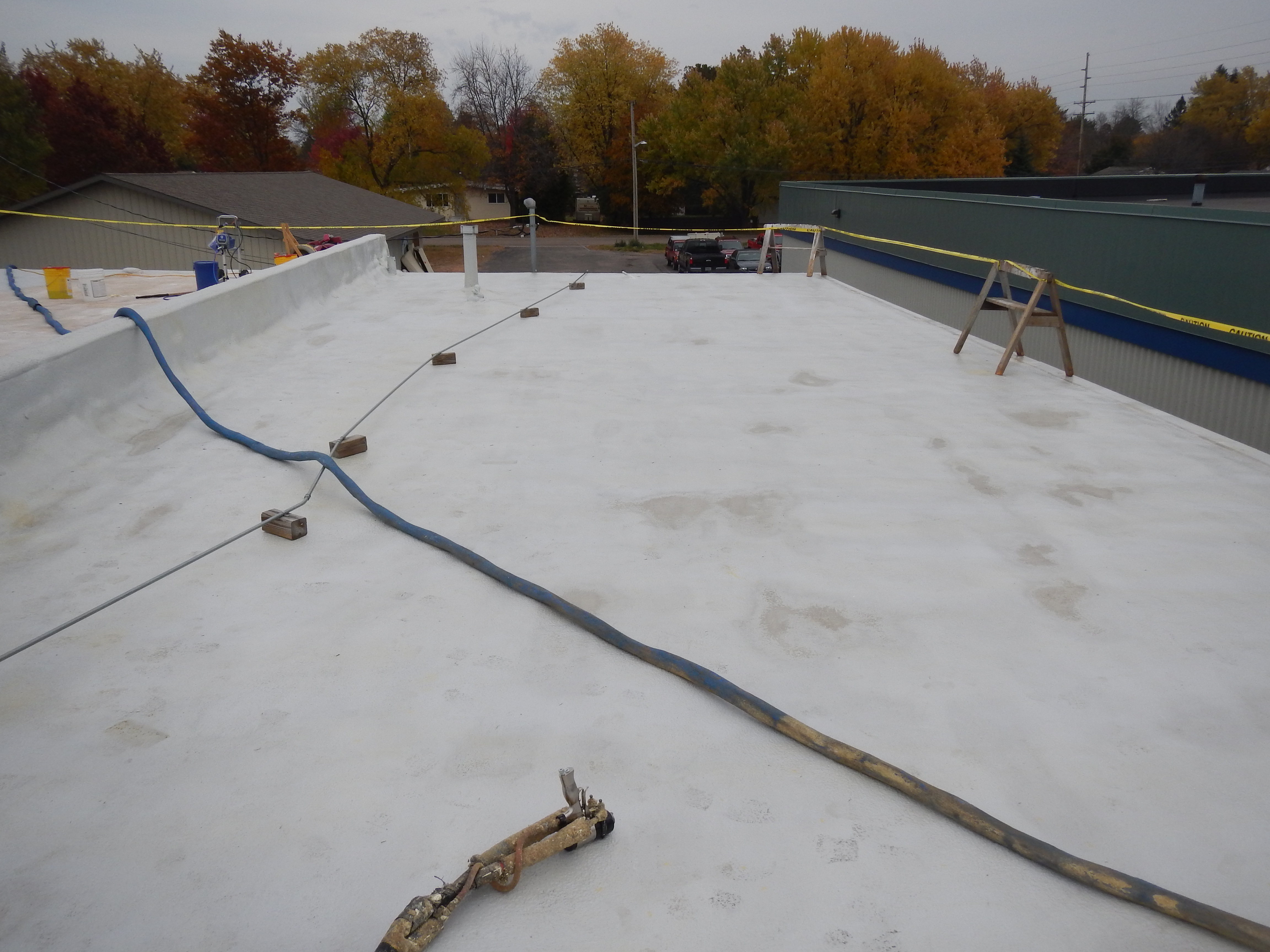
Ask where the water shows up inside. If the answer is "in the corner where the addition meets the house," or "around the bathroom vent," or "in the valley," you have a detail problem on a roof whose field is fine.
Conventional repair means new flashing, new sealant, new boots — replacing joints with newer joints that will age the same way. A membrane deletes the category. It runs from the roof plane up the wall, over the boot, and through the valley without a single interruption.
Spec: OR7K at 60–80 mil on each detail, carried at least 6" up verticals and 12" out onto the field, then OR-80SLM at 50–60 mil over the whole plane inside the recoat window.
Garages, Shops & Outbuildings
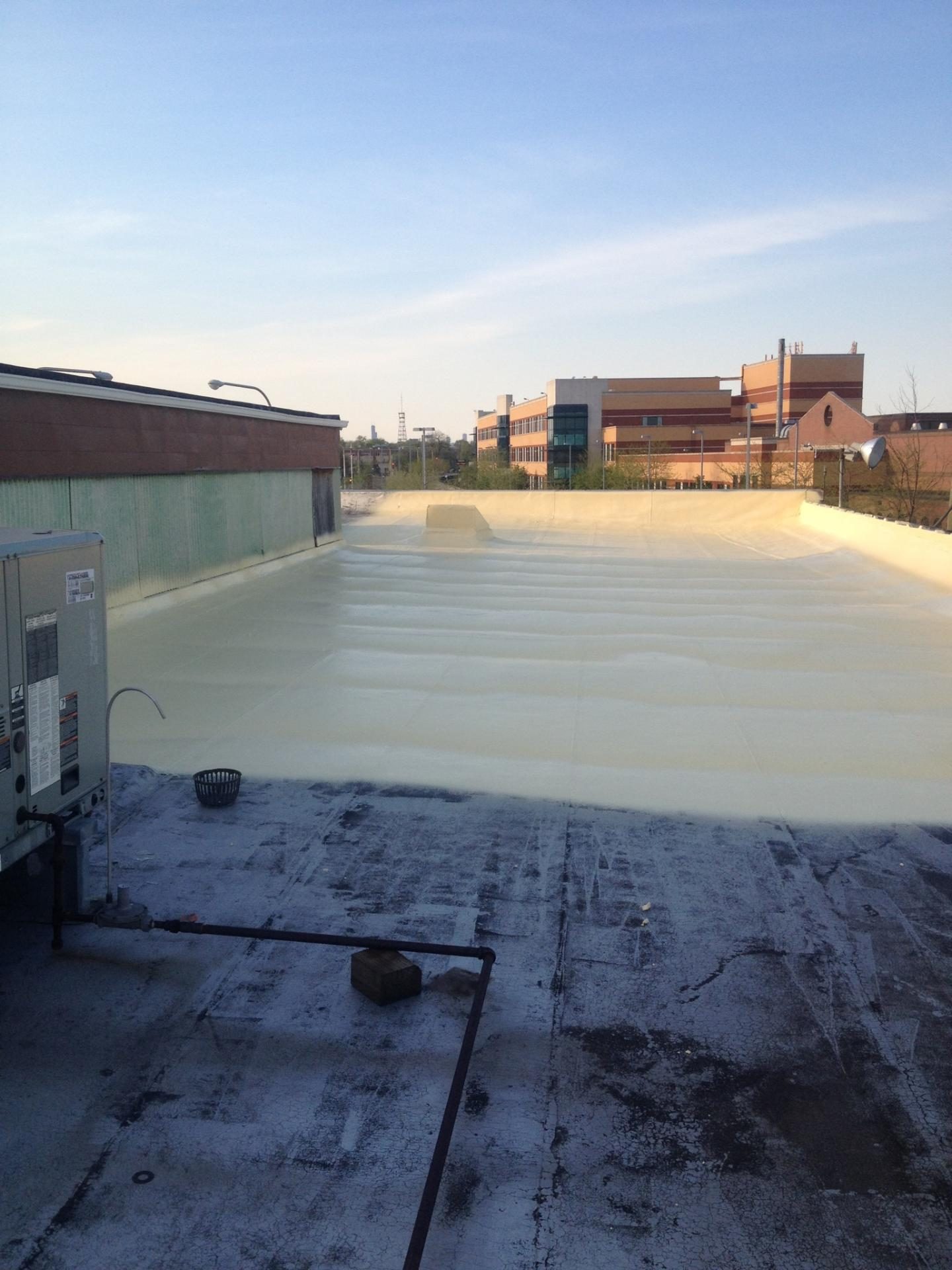
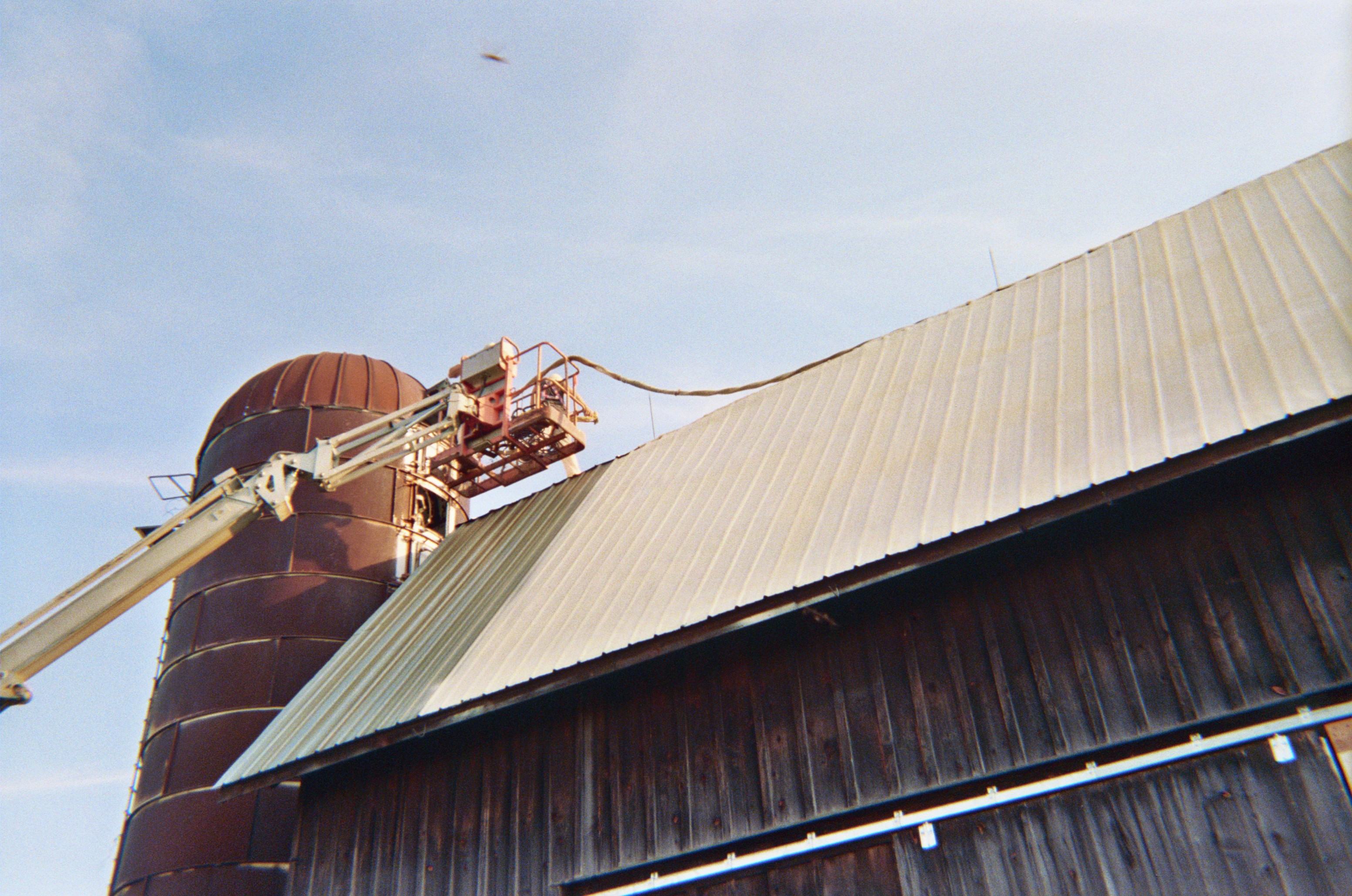
The building nobody wants to spend real money on is usually the one leaking on equipment worth more than the roof. Detached garages, workshops, barns with shingled sections, and storage buildings are ideal coating candidates for a simple reason: appearance is not a constraint, and the roofs are small enough to complete in a day.
These are also the roofs where a full crew mobilization for a tear-off is disproportionate to the structure. A spray crew, a day, and no debris.
Spec: Wash, repair, 7001 Primer, OR-80SLM at 50 mil. FJ1 at 80 mil if the roof is walked for equipment access.
The Case Against: When to Tear Off
Some roofs should not be coated, and pretending otherwise costs the customer twice — once for the coating and again for the tear-off it delayed.
Cupped and curled shingles. The membrane bonds to the surface. If that surface is releasing from the roof, so is the membrane.
Soft or delaminated decking. Waterproofing does not restore structure. If the deck flexes underfoot, it needs replacing.
Multiple shingle layers. Unknown condition beneath, added weight, and independent movement between layers.
Saturated insulation or a wet deck. Sealing water in is worse than leaving the leak. Core-test if you are unsure.
Poor attic ventilation. A continuous membrane stops upward drying. Correct the ventilation first, or do not coat.
Front-facing steep slopes with an appearance requirement. The finish is smooth and uniform. If that is unacceptable, this is the wrong product regardless of the engineering.
Other Situations We See Regularly
- Storm-patched roofs still under insurance dispute — a way to stop the water while the claim resolves
- Roofs with granule loss but no curling — cosmetically finished, structurally fine, ideal for restoration
- Small commercial shingle roofs — storefronts, offices, churches, and community buildings
- Roofs where access makes tear-off expensive — tight lots, no dumpster space, restricted parking
- Solar-panel roofs — where removing and reinstalling an array makes tear-off prohibitive
- Historic or oddly-shaped roofs — where matching original material is impractical
- Rear and side slopes only — coat the invisible planes, leave the street-facing slope alone
- Shingle-to-metal transitions — one membrane over two dissimilar materials
Not Sure Which List You Are On?
Send photos and the roof age. We will place it — candidate or tear-off — and explain the reasoning either way. A no from us costs you nothing.
Get an AssessmentFind Out If Your Roof Qualifies
Tell us about your project and we will follow up with product details, technical data sheets, and pricing.